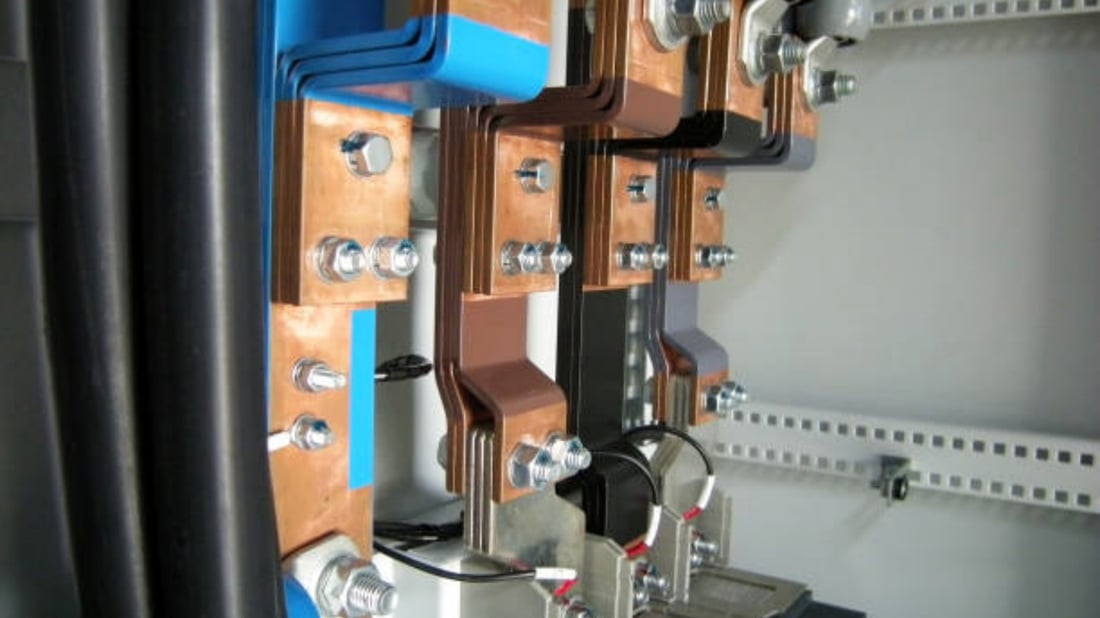
An outdoor protective grounding box serves as a critical component in electrical safety systems, particularly in external environments. Designed to house grounding connections securely, it ensures that excess electrical currents are properly directed into the earth, preventing hazardous voltage build-up and protecting both equipment and personnel. This device is indispensable in power distribution networks, telecommunications, and outdoor installations where exposure to natural elements poses a risk to grounding integrity.
Materials and Construction for Durability
Outdoor protective grounding boxes are typically constructed from materials such as galvanized steel, stainless steel, or heavy-duty plastics. These materials provide robust protection against corrosive elements, UV radiation, moisture, and impact. The choice of construction material directly influences the lifespan and reliability of the grounding box, making it essential for outdoor conditions where environmental factors like rain, heat, or chemical exposure are prevalent.
Design Features for Weather Resistance
To withstand outdoor conditions, these grounding boxes incorporate weatherproof seals, gasketed lids, and secure locking mechanisms. Many designs comply with IP65 or higher ingress protection ratings, ensuring resistance to dust and water. These features help maintain the integrity of grounding connections over time, reducing maintenance needs and enhancing safety. Additionally, ventilation systems may be integrated to prevent condensation buildup inside the enclosure.
Types of Outdoor Protective Grounding Boxes
There are various types of grounding boxes tailored for specific applications: from compact junction boxes for telecom grounding to heavy-duty grounding hubs for electrical substations. Some feature multiple terminal points to connect numerous grounding conductors, while others are designed for portable use in temporary setups. The diversity in design caters to differing grounding requirements across industries.
Installation Considerations
Proper installation is vital to the effectiveness of an outdoor protective grounding box. It should be positioned in an accessible yet secure location, preferably close to the equipment it serves. The grounding conductor connections must be tight and corrosion-resistant, and the box should be mounted on non-conductive or treated surfaces to prevent stray currents. Following manufacturer and regulatory guidelines ensures optimal safety and performance.
Compliance with Electrical Standards
Outdoor protective grounding boxes must adhere to various national and international standards, such as IEEE, IEC, and NEC guidelines. Compliance ensures that grounding systems meet minimum safety criteria, including proper conductor sizing, enclosure specifications, and environmental resistance. These standards are crucial for certifications and legal requirements in construction and industrial projects.
Maintenance and Inspection Practices
Routine inspection and maintenance extend the lifespan and effectiveness of outdoor protective grounding boxes. This includes checking for corrosion, ensuring all connections remain secure, and verifying the sealing integrity against moisture ingress. Regular testing of ground resistance values also helps detect potential faults early, preventing equipment failures or safety hazards.
Applications Across Different Industries
Outdoor protective grounding boxes find applications in a variety of sectors including telecommunications, electrical utilities, renewable energy installations, and industrial manufacturing. Their use is pivotal in grounding antenna towers, solar panel arrays, outdoor lighting systems, and heavy machinery, where stable and safe grounding ensures operational reliability and worker safety.
Advancements in Smart Grounding Technologies
Integration of smart monitoring systems within outdoor protective grounding boxes is an emerging trend. These systems can detect faults, monitor grounding resistance in real-time, and alert maintenance personnel promptly. Such advancements enhance preventive maintenance, reduce downtime, and provide valuable data analytics for optimizing electrical safety protocols.
Cost-Benefit Analysis of Implementing Outdoor Protective Grounding Boxes
While installation of an outdoor protective grounding box represents an upfront investment, the long-term benefits significantly outweigh the costs. Effective grounding prevents equipment damage due to electrical surges, reduces downtime, and ensures personnel safety, thereby avoiding costly repairs and liability claims. Furthermore, adherence to safety standards helps avoid regulatory penalties, underscoring the financial prudence of implementing these devices.
Quote Inquiry
contact us