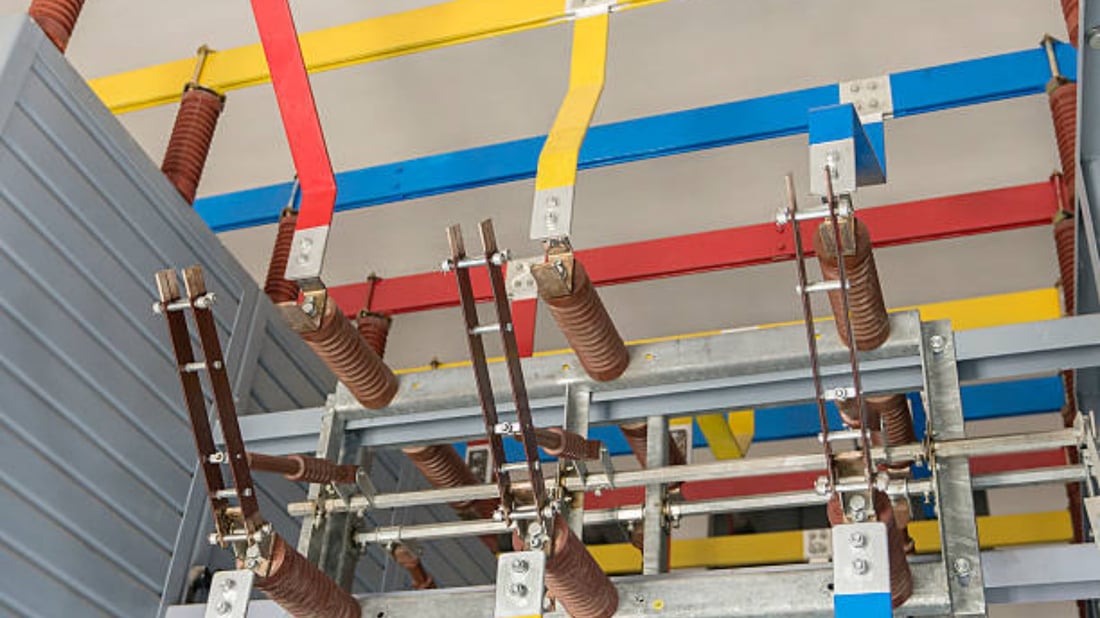
Busbar protective casing cleaning is crucial for maintaining the longevity and efficiency of electrical distribution systems. The casing safeguards the busbar from dust, moisture, and contaminants, which can lead to performance degradation or even electrical faults if not properly cleaned. Regular cleaning ensures insulation integrity and reduces the chance of short circuits and overheating.
Common Contaminants Affecting Busbar Protective Casings
Various contaminants such as dust, grease, oil residues, and environmental pollutants accumulate on busbar protective casings over time. These deposits can cause insulation deterioration, increase electrical resistance, and compromise safety. Understanding the nature of these contaminants helps in selecting appropriate cleaning methods tailored specifically for busbar protective casing cleaning.
Recommended Cleaning Materials and Tools
Effective busbar protective casing cleaning requires specific tools and materials. Soft brushes, lint-free cloths, isopropyl alcohol-based cleaning solutions, and vacuum equipment are commonly used to prevent damage to the casing or underlying equipment. Employing the right cleaning aids ensures thorough removal of dirt while preserving the protective coating and electrical safety.
Step-by-Step Busbar Protective Casing Cleaning Procedures
A standardized procedure boosts the effectiveness of busbar protective casing cleaning. This includes de-energizing the system, carefully removing dust and debris using a soft brush or vacuum, applying appropriate cleaning solutions, and drying the surface thoroughly before reassembly. Adhering to proper steps minimizes risks and enhances maintenance efficiency.
Safety Protocols During Busbar Protective Casing Cleaning
Safety is paramount during busbar protective casing cleaning due to the presence of live electrical components nearby. Implementing lockout-tagout procedures, wearing proper personal protective equipment (PPE), and verifying system de-energization are essential. Ensuring safe cleaning practices protects technicians and prevents accidents related to electrical hazards.
Frequency and Scheduling of Cleaning Maintenance
The cleaning schedule for busbar protective casings depends on environmental conditions and operational demands. Facilities in dusty or industrial environments may require more frequent cleaning, sometimes quarterly, while cleaner environments might suffice with biannual maintenance. Establishing a consistent cleaning frequency prolongs casing life and improves busbar reliability.
Impact of Busbar Protective Casing Cleaning on System Performance
Regular busbar protective casing cleaning enhances system performance by minimizing electrical resistance buildup and preventing heat accumulation. This leads to improved conductivity, reduced energy losses, and extended equipment life span. Clean casings also help in the early detection of potential issues, promoting proactive maintenance strategies.
Challenges in Cleaning Busbar Protective Casings
Cleaning busbar protective casings presents challenges including access limitations in compact panels, sensitivity of electrical components to moisture, and potential mechanical damage during cleaning. Addressing these requires skilled technicians who understand equipment design and apply precise cleaning techniques to avoid unintended damage.
Environmental Considerations for Busbar Protective Casing Cleaning
Environmentally friendly practices are increasingly important in busbar protective casing cleaning. Using biodegradable cleaning agents, ensuring proper disposal of cleaning waste, and minimizing chemical use help reduce ecological impact. Sustainable cleaning practices align with modern facility management goals and regulatory compliance.
Innovations and Technologies in Busbar Protective Casing Cleaning
Advancements in cleaning technology, such as automated dry cleaning systems, ultrasonic cleaning, and use of eco-friendly sprays, have improved busbar protective casing cleaning processes. Integration of remote monitoring tools also helps schedule cleaning based on contamination levels, optimizing maintenance efforts and reducing downtime.
Quote Inquiry
contact us