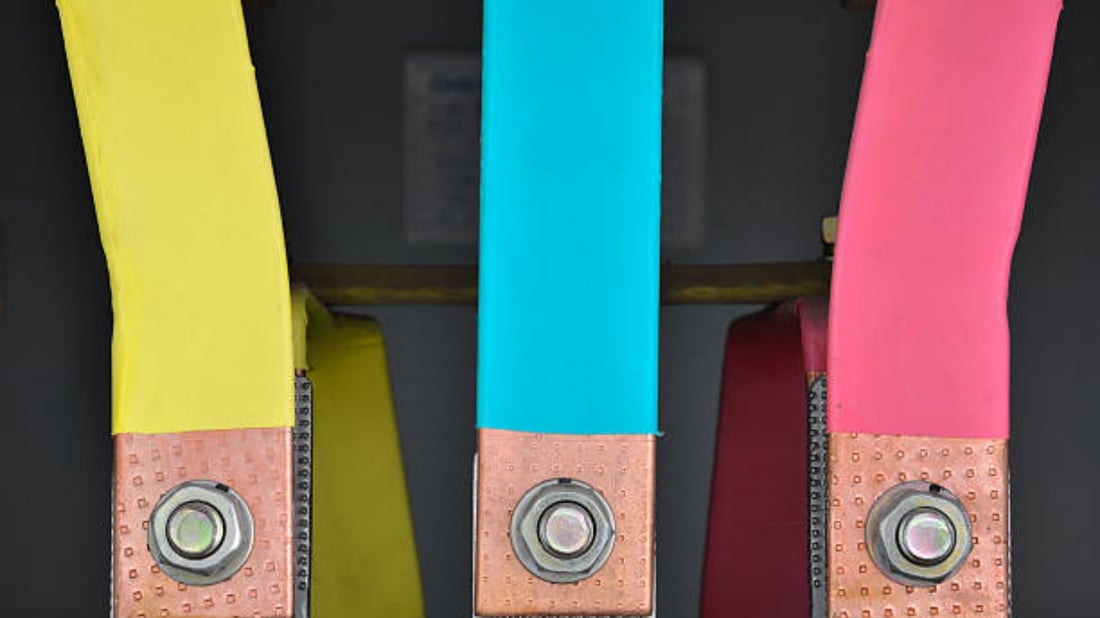
Moisture accumulation within busbar casings can severely affect the performance and longevity of electrical distribution systems. Ensuring effective busbar casing moisture prevention is crucial to avoid corrosion, electrical faults, and insulation breakdowns. Neglecting moisture control can lead to costly maintenance and potential system failures, making it a top priority in electrical infrastructure management.
Common Causes of Moisture Ingress in Busbar Casings
Multiple factors contribute to moisture ingress in busbar casings, including condensation from temperature fluctuations, humidity in the installation environment, and poor sealing during the manufacture or installation process. Identifying these sources is essential for implementing targeted prevention methods to maintain the integrity of busbar systems.
Materials and Design Considerations for Moisture-Resistant Busbar Casings
Choosing materials with inherent moisture resistance, such as coated metals or high-grade plastics, can significantly reduce moisture penetration. Additionally, design features like tight joint connections, robust sealing gaskets, and the integration of moisture barriers play an important role in enhancing busbar casing moisture prevention.
Role of Sealants and Gaskets in Moisture Protection
Sealants and gaskets are frontline defenses against moisture intrusion in busbar casings. Selecting weather-resistant, durable sealant materials compatible with casing components ensures long-term protection. Proper application techniques further enhance their efficiency, preventing water vapor and liquid water from entering the casing.
Installation Best Practices to Minimize Moisture Entry
Meticulous installation practices, such as ensuring clean surfaces, correct alignment of casing components, and immediate sealing of openings, are critical to busbar casing moisture prevention. Training installation personnel on moisture control protocols reduces the risk of human error leading to future moisture-related complications.
Environmental Controls for Busbar Casing Moisture Prevention
Controlling the installation environment by reducing ambient humidity through dehumidifiers or adequate ventilation helps maintain dry conditions around busbar casings. Additionally, protective enclosures with climate control can safeguard sensitive busbar systems situated in high-moisture areas, mitigating the risk of moisture accumulation.
Use of Desiccants and Moisture Absorbers Inside Casings
Incorporating desiccants or moisture absorbers inside busbar casings offers an internal layer of defense. These materials actively absorb residual moisture, reducing condensation risks. Regular inspection and replacement of desiccants ensure continuous busbar casing moisture prevention throughout the system’s operational life.
Monitoring and Maintenance for Moisture Control
Ongoing monitoring through humidity sensors and periodic inspections allow early detection of moisture buildup within busbar casings. Implementing a maintenance schedule focused on cleaning, resealing, and immediate addressing of detected moisture intrusion minimizes long-term damage and upholds system performance.
Impact of Busbar Casing Moisture on Electrical Safety
Moisture presence inside busbar casings can lead to insulation failures and short circuits, posing serious electrical hazards such as arcing and fire risks. Effective busbar casing moisture prevention directly correlates with enhanced electrical safety, protecting personnel and infrastructure.
Technological Innovations Enhancing Moisture Prevention
Modern advances in materials science and sensor technology have introduced smart busbar casing solutions equipped with integrated moisture detection and automated drying systems. These innovations support proactive busbar casing moisture prevention, reducing downtime and extending equipment life.
Quote Inquiry
contact us