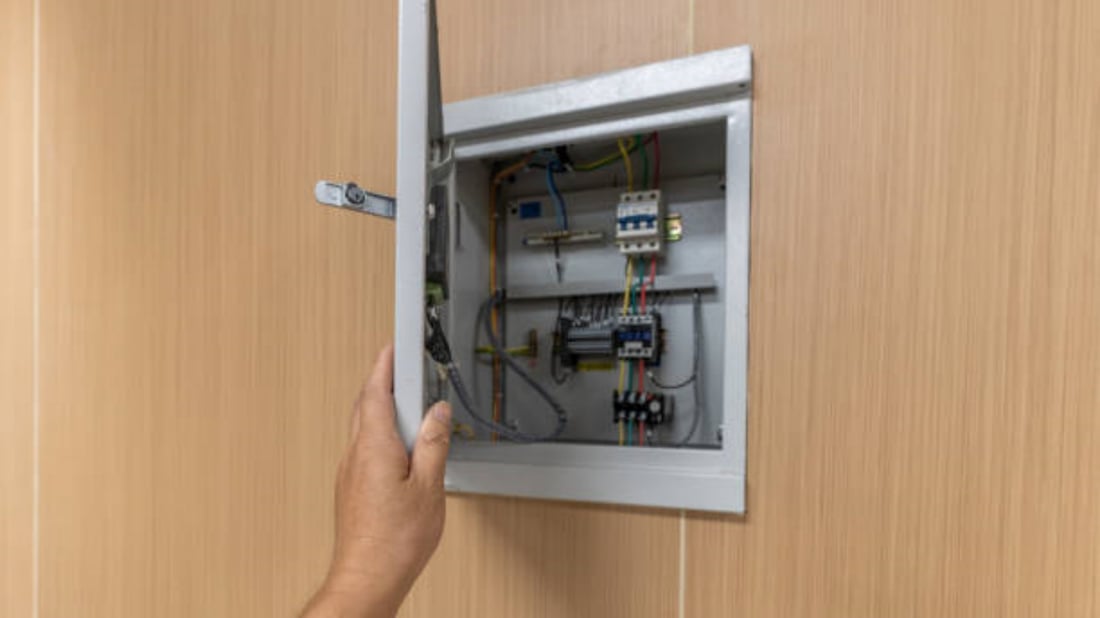
A protective grounding box is a critical safety device used to ensure proper grounding of electrical equipment. It serves as a central point to connect grounding wires, preventing electrical hazards by redirecting stray electrical current safely to the earth. This equipment is widely applied in industrial, commercial, and residential settings to enhance electrical safety and system reliability.
The Importance of Protective Grounding Box in Electrical Safety
Protective grounding boxes are vital in safeguarding both personnel and equipment from electrical shocks. By creating a low-resistance path for fault currents, these boxes help minimize the risk of electrocution and equipment damage. Their presence in electrical circuits ensures compliance with safety standards and reduces downtime caused by electrical faults.
Components and Construction of Protective Grounding Boxes
Typically made from sturdy, corrosion-resistant materials such as stainless steel or aluminum, protective grounding boxes house terminal points for grounding conductors. They may feature multiple terminals, lockable covers, and provisions for easy connection and inspection. Quality construction ensures durability and a reliable grounding connection under various environmental conditions.
Types of Protective Grounding Boxes
There are several types of protective grounding boxes designed for different applications, including portable grounding boxes for temporary setups and fixed grounding boxes for permanent installations. Some models incorporate features like surge protection or voltage indicators to enhance safety and functionality.
Installation Procedures for Protective Grounding Box
Proper installation of a protective grounding box is crucial for optimal performance. It involves selecting an appropriate location near the equipment to be protected, securely fastening the box, and connecting grounding conductors according to electrical codes. Regular inspection and maintenance ensure that grounding continuity is preserved.
Protective Grounding Box in Industrial Environments
In industrial settings, protective grounding boxes are indispensable due to the complexity and high power of electrical systems. They help manage large fault currents and provide a grounding reference for sensitive machinery, reducing the risk of equipment failure and enhancing worker safety in hazardous environments.
Role in Preventing Electrical Interference
Beyond safety, protective grounding boxes also mitigate electrical noise and interference by stabilizing the reference potential of the electrical system. This function is particularly important in environments with sensitive electronic equipment where signal integrity is critical.
Maintenance and Inspection of Protective Grounding Boxes
Regular maintenance of protective grounding boxes involves checking for corrosion, loose connections, or physical damage. Routine inspections help identify potential faults early, ensuring continuous protection against electrical hazards and extending the lifespan of the grounding system.
Compliance with Electrical Standards and Regulations
Protective grounding boxes must conform to national and international electrical safety standards such as IEC, NEC, or local codes. Ensuring compliance helps avoid legal issues, enhances safety, and guarantees that installations meet industry best practices.
Future Trends and Innovations in Protective Grounding Box Technology
Advancements in protective grounding box technology focus on integrating smart sensors for real-time monitoring of grounding resistance and fault detection. These innovations aim to improve safety management, predictive maintenance, and overall system efficiency, signifying a progressive step toward smarter electrical infrastructure.
Quote Inquiry
contact us