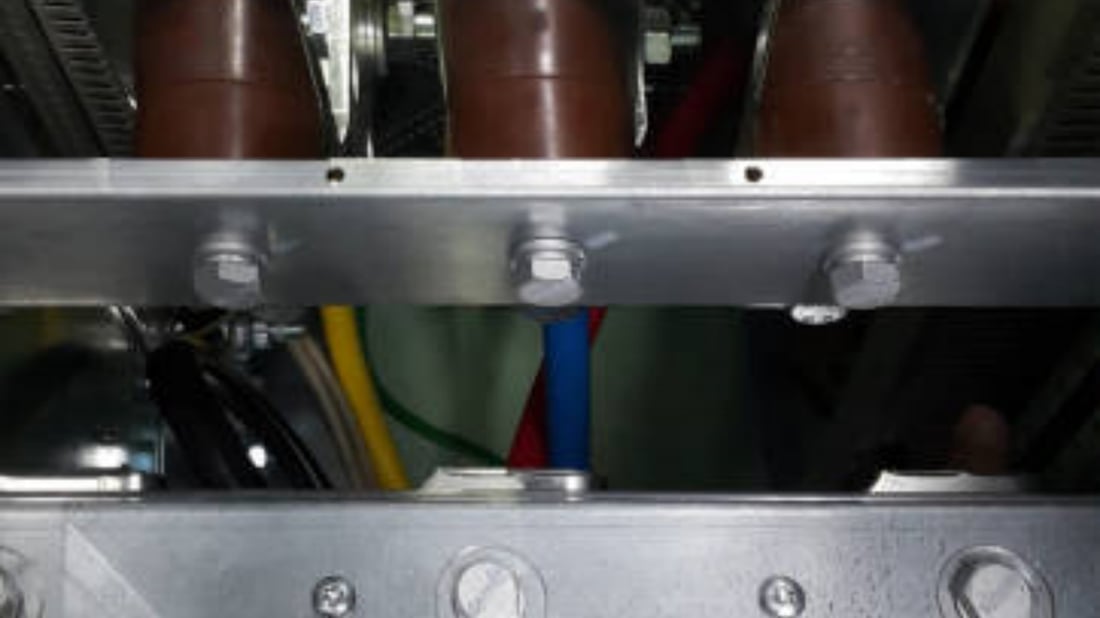
A Metal grounding protection box serves as a crucial component in electrical systems by safely dissipating excess electrical currents into the earth, minimizing risks of electrical shock and equipment damage. These boxes are designed to house grounding connections and equipment, ensuring the integrity and safety of electrical installations in residential, commercial, and industrial settings.
Materials and Construction Quality of Metal Grounding Protection Boxes
Constructed primarily from robust metals such as stainless steel or galvanized steel, metal grounding protection boxes offer superior corrosion resistance and mechanical strength. The choice of metal ensures longevity even in harsh environmental conditions, including moisture, chemical exposure, and extreme temperatures, promoting reliable, long-term grounding system performance.
Key Features and Design Considerations
Metal grounding protection boxes typically feature sealed doors, locking mechanisms, and mounting provisions that enhance safety and accessibility. The design also incorporates weatherproofing elements like gaskets and specialized coatings to prevent water ingress, maintaining optimal functionality and protecting internal grounding components from environmental damage.
Role in Electrical Safety and Standards Compliance
These boxes play a vital role in adhering to electrical safety standards such as IEEE, NEC, and IEC. Proper implementation of metal grounding protection boxes helps fulfill grounding and bonding requirements stipulated in electrical codes, thereby ensuring both personnel safety and regulatory compliance by maintaining effective earth fault protection.
Applications Across Various Industries
Metal grounding protection boxes are widely applied in diverse sectors including telecommunications, energy generation, manufacturing plants, and infrastructure projects. Their utilization ensures stable grounding for critical equipment, reducing downtime caused by electrical faults and enhancing operational efficiency.
Installation Best Practices for Metal Grounding Protection Boxes
Correct installation is essential for optimal performance. The box should be mounted on a conductive surface or connected firmly to grounding rods with appropriate connectors. Attention to cable entry points, securing proper bonding, and avoiding moisture traps are imperative for maintaining the box’s protective function and extending service life.
Maintenance and Inspection Guidelines
Routine inspection of metal grounding protection boxes is indispensable for confirming that no corrosion, mechanical damage, or loose connections compromise the grounding system. Periodic cleaning and ensuring that sealing components remain intact also contribute to uninterrupted electrical grounding protection.
Advantages Over Non-Metal Alternatives
Compared to plastic or composite grounding boxes, metal grounding protection boxes exhibit superior durability, thermal dissipation, and electromagnetic shielding. The conductive nature of metal can additionally help reduce stray currents and maintain grounding integrity under extreme fault conditions.
Environmental Impact and Sustainability Aspects
Metal grounding protection boxes, due to their recyclable metal composition, contribute positively toward sustainability goals. Their long service life reduces the frequency of replacement, minimizing waste generation, and their resistance to environmental wear diminishes resource consumption associated with repair and maintenance.
Future Trends and Innovations in Metal Grounding Protection Boxes
Emerging technologies are leading to the integration of smart monitoring features within metal grounding protection boxes, allowing real-time diagnostics and automated alerts for grounding system faults. Additionally, advancements in coatings and materials promise to further enhance corrosion resistance and performance under extreme conditions.
Quote Inquiry
contact us