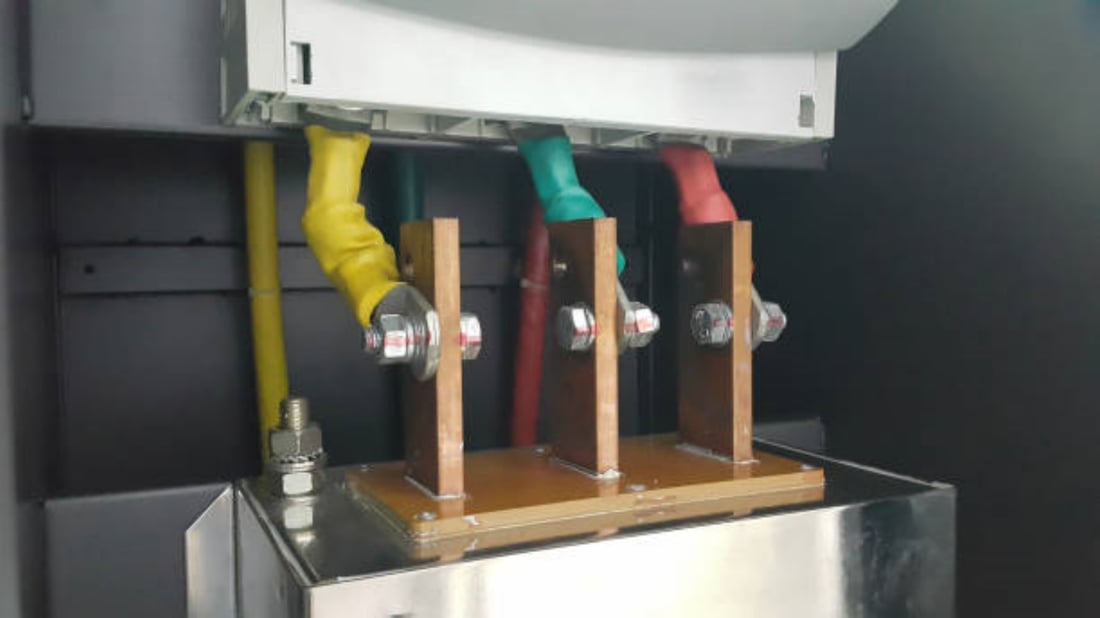
A high voltage protective grounding box is an essential safety component used in electrical systems to ensure the effective grounding of high voltage equipment. Its primary function is to provide a controlled path for electrical current to safely dissipate into the earth in case of faults or maintenance activities, thereby preventing equipment damage and protecting personnel from electric shock hazards.
Key Components and Construction Materials
High voltage protective grounding boxes are typically constructed from durable materials such as galvanized steel or aluminum to withstand harsh environmental conditions. Inside the box, copper or copper-alloy grounding bars and connectors provide excellent electrical conductivity. The design often includes insulated terminals and locking mechanisms to guarantee secure connections and operational safety.
Importance in Electrical Safety and Maintenance
The use of high voltage protective grounding boxes is critical during maintenance and repair work on high voltage systems. By grounding the cables and equipment using the box, workers are shielded from stray voltages or unexpected electric discharges. This safety measure reduces the risk of electrocution and enhances overall workplace safety.
Types of High Voltage Protective Grounding Boxes
Various types of high voltage protective grounding boxes exist to meet different industrial needs. These include portable grounding boxes for field operations, fixed grounding boxes integrated into substation infrastructure, and customized boxes designed for specific voltage ratings and grounding configurations. Each type serves the purpose of efficiently grounding high voltage equipment.
Installation Guidelines and Best Practices
Proper installation of a high voltage protective grounding box is crucial for its effectiveness. It should be mounted on a stable, non-conductive surface close to the equipment being grounded. All grounding connections must be tight and corrosion-resistant. Following manufacturer’s instructions and electrical safety standards ensures reliable grounding during both normal operations and fault conditions.
Role in Preventing Electrical Faults and Failures
By providing a low-resistance path to earth, high voltage protective grounding boxes help prevent damage caused by voltage surges, short circuits, and lightning strikes. They dissipate excess current safely, reducing the likelihood of equipment failure, fire hazards, and power outages, which are critical concerns in high voltage electrical installations.
Compliance with International Safety Standards
High voltage protective grounding boxes are designed to comply with international electrical safety standards such as IEC, IEEE, and ANSI. Adherence to these standards ensures that grounding boxes provide adequate protection, performance reliability, and compatibility with high voltage systems across diverse industries worldwide.
Common Applications and Industry Uses
These grounding boxes are widely used in power generation plants, electrical substations, industrial manufacturing facilities, and transmission line maintenance. Their role extends to renewable energy installations and large-scale infrastructure projects, where high voltage safety and grounding are paramount.
Maintaining and Testing Grounding Box Integrity
Regular inspection and testing of a high voltage protective grounding box are indispensable for sustained performance. Tests include measuring grounding resistance, checking for corrosion or mechanical damage, and verifying the integrity of electrical connections. Preventive maintenance ensures operational readiness and prolongs the lifespan of the grounding system.
Future Trends and Technological Innovations
Advancements in materials science and smart technology are fostering the development of more efficient, lightweight, and intelligent high voltage protective grounding boxes. Innovations such as remote monitoring sensors and corrosion-resistant coatings are enhancing safety and reliability, marking a progressive shift towards smarter electrical grounding solutions.
Quote Inquiry
contact us