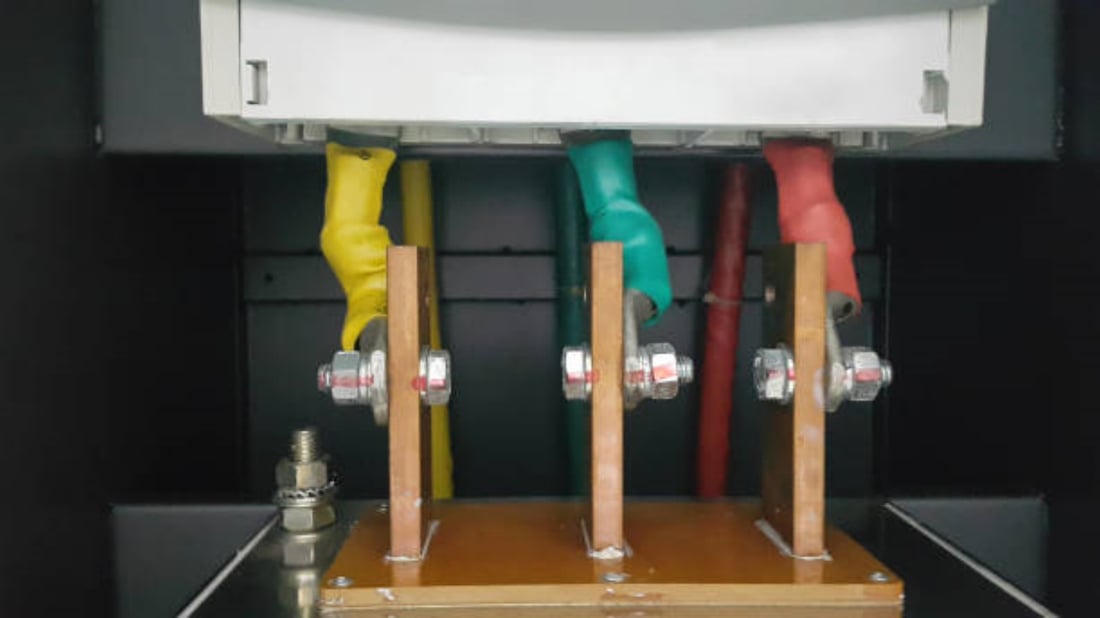
A cable protective grounding box is a specialized enclosure designed to safeguard electrical cables while ensuring proper grounding to prevent electrical hazards. It serves as a critical component in electrical distribution systems, especially in industrial and commercial installations, by offering a secure point where cables can be connected and grounded safely. This grounding box protects cables from mechanical damage, moisture, and electromagnetic interference, enhancing overall system reliability.
Fundamentals of Electrical Grounding in Cable Systems
Grounding is essential in electrical systems as it provides a direct path to the earth, preventing the buildup of voltages that could cause shocks or fires. The cable protective grounding box acts as a hub for grounding connections, ensuring all metallic cable jackets and conductors have a continuous and effective ground. Proper grounding mitigates risks of electric shock and equipment damage, maintaining system safety and compliance with electrical codes.
Construction and Materials of Cable Protective Grounding Boxes
Typically, cable protective grounding boxes are constructed from robust, corrosion-resistant materials such as stainless steel, aluminum alloy, or high-grade plastic composites. These materials provide durability against harsh environmental conditions, including moisture, UV exposure, and chemical agents. The design also incorporates features like sealing gaskets and locking mechanisms to protect internal components and grounding connections from environmental contaminants and unauthorized tampering.
Applications Across Various Industries
Cable protective grounding boxes find widespread use in industries ranging from telecommunications and power generation to manufacturing and infrastructure projects. In power distribution networks, they ensure safe terminations of power cables and grounding for substations. In telecom, these boxes protect fiber optic and copper cables while grounding shielded conductors to reduce electromagnetic interference, enhancing signal integrity.
Enhancing Electrical Safety with Cable Protective Grounding Boxes
These grounding boxes play a vital role in electrical safety by reducing the risk of electrical faults and fire hazards. By providing a controlled and reliable grounding point, they prevent stray voltages and fault currents from damaging equipment or endangering personnel. Implementing cable protective grounding boxes is a proactive measure in electrical safety protocols, often mandated by electrical safety standards globally.
Installation Considerations and Best Practices
Installing a cable protective grounding box requires attention to location, accessibility, and compatibility with cable types. Ideally, the box should be installed near cable joints or entry points into equipment to optimize grounding effectiveness. Proper mounting and sealing are crucial to prevent water ingress, while grounding conductors must be tightly bonded to the grounding bus bar inside the box. Regular inspection and maintenance are recommended to ensure ongoing performance.
Integration with Modern Electrical Systems
Modern electrical and data systems increasingly demand sophisticated grounding solutions to mitigate electromagnetic interference and ensure safety. Cable protective grounding boxes are designed to be compatible with smart grid technologies, renewable energy installations, and industrial automation systems. Their integration facilitates seamless grounding connections in complex electrical networks, contributing to operational efficiency and reliability.
Compliance with Electrical Standards and Regulations
Cable protective grounding boxes must conform to regional and international standards such as IEC, NEC, and IEEE guidelines. Compliance ensures that these boxes provide adequate protection under specified electrical loads and environmental conditions. Manufacturers typically test and certify their products for resistance, durability, and grounding continuity, which helps end-users and engineers select appropriate equipment that meets regulatory requirements.
Maintenance and Longevity of Cable Protective Grounding Boxes
Long-term performance of grounding boxes depends on regular cleaning, inspection, and testing of grounding connections. Corrosion, physical damage, and loose connections can undermine their effectiveness. Preventative maintenance protocols include checking for moisture ingress, verifying tightness of connections, and replacing seals as needed. Proper upkeep extends the service life of cable protective grounding boxes, ensuring continued operational safety.
Future Trends and Innovations
Emerging trends in cable protective grounding boxes focus on enhanced materials for lighter weight and higher corrosion resistance, integrated monitoring systems for real-time fault detection, and modular designs for easier installation and scalability. Advances in nano-coatings and composite materials also aim to improve durability against environmental stress. These innovations will address evolving electrical infrastructure needs while reinforcing safety and efficiency standards.
Quote Inquiry
contact us