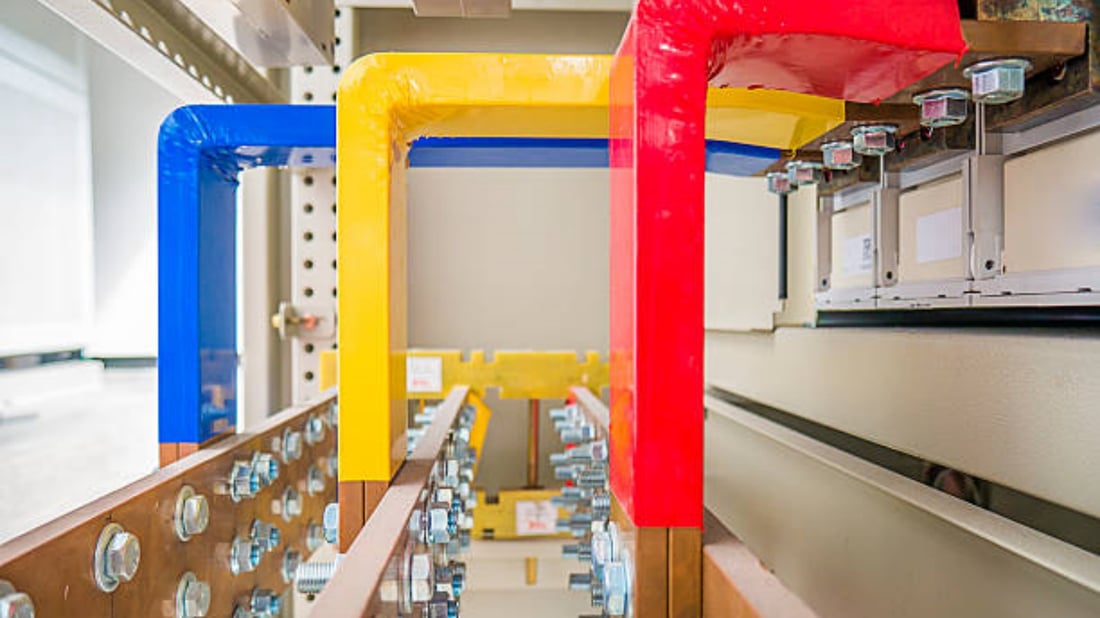
Busbar casing insulation testing is a critical maintenance procedure in electrical power systems, designed to ensure the safety and reliability of busbar assemblies. This testing focuses on verifying the integrity of the insulating materials surrounding busbars, which are conductive bars that distribute electricity within switchgear and panels. Proper insulation prevents leakage currents, short circuits, and electrical faults, making the testing process essential for reliable operation.
Importance of Insulation Testing in Electrical Safety
Electrical safety depends heavily on the quality of busbar casing insulation. Insulation testing detects deterioration due to aging, environmental factors, or mechanical damage. Faulty insulation can cause equipment failures, power outages, and pose serious fire hazards. Conducting regular busbar casing insulation testing minimizes risks and safeguards personnel, ensuring compliance with electrical safety standards.
Common Methods for Busbar Casing Insulation Testing
Several methods are used to test busbar casing insulation, including hipot (high potential) testing, insulation resistance measurement, and partial discharge testing. Hipot testing applies high voltage to test insulation strength, while insulation resistance measurement uses a megohmmeter to evaluate resistance levels. Partial discharge testing detects micro faults within insulation. Each method addresses different insulation aspects, collectively offering comprehensive assessment.
Preparing Busbar Systems for Insulation Testing
Preparation is vital before conducting busbar casing insulation testing. This involves isolating the busbar from power supply, cleaning the casing to remove contaminants, verifying test equipment calibration, and ensuring environmental conditions meet testing requirements. Proper preparation guarantees accurate test results and protects equipment and testers from damage or injury during the procedure.
Interpreting Busbar Casing Insulation Test Results
Understanding test outcomes is key to effective maintenance. High insulation resistance generally indicates good condition, while low resistance signals potential failures. Hipot tests must not show breakdowns at test voltages. Partial discharge readings above threshold levels highlight internal defects. Accurate interpretation enables informed decisions on repairs or replacements to maintain system integrity.
Role of Busbar Casing Insulation Testing in Preventive Maintenance
Regular busbar casing insulation testing plays a vital role in preventive maintenance strategies. Scheduled inspections help detect insulation degradation early, allowing timely intervention before catastrophic failures occur. Integrating insulation testing into maintenance routines extends equipment lifespan, reduces unplanned downtime, and optimizes overall system performance.
Impact of Environmental Factors on Busbar Insulation
Ambient conditions like humidity, temperature fluctuations, dust, and chemical exposure accelerate insulation deterioration. Moisture ingress, for example, lowers insulation resistance and increases leakage current risk. Busbar casing insulation testing helps monitor the impact of environmental stresses, guiding protective measures such as improved sealing, climate control, or regular cleaning to preserve insulation quality.
Addressing Common Insulation Defects Detected in Testing
Insulation defects commonly uncovered include cracks, voids, contamination, and aging-related degradation. These defects can cause partial discharges or insulation failure under operational voltages. Identifying specific fault types through busbar casing insulation testing enables targeted repairs, such as re-insulating, cleaning, or replacing damaged sections, ensuring system reliability.
Technological Advancements in Insulation Testing Equipment
Rapid advancements in testing technologies have enhanced the accuracy and efficiency of busbar casing insulation testing. Modern digital testers provide real-time data, automated analysis, and improved sensitivity to partial discharges. Portable handheld devices facilitate on-site testing, reducing downtime. These innovations empower technicians to perform safer, more reliable insulation diagnostics.
Compliance and Standards Related to Busbar Casing Insulation Testing
Busbar casing insulation testing must comply with international standards such as IEC 61439 for low-voltage switchgear or IEEE guidelines covering insulation diagnostics. Adhering to these standards ensures consistency, reliability, and safety in electrical installations. Proper documentation and reporting of insulation test results are also key for audit purposes and regulatory compliance.
Quote Inquiry
contact us